Eating Well on Workdays Away From Home: A Practical Plan
Working from coworking spaces, hotels or client sites breaks your food routine. Here is a simple plan for packing, buying lunch, staying hydrated and avoiding the afternoon snack trap.
In this article
- Why does food go wrong when you work from shared spaces or on the road?
- What should you pack for a workday away from home?
- How do you keep packed food safe?
- How do you eat well when you have to buy lunch?
- How much water should you drink at a desk?
- How do you handle the afternoon slump and snack temptation?
- Where does movement fit in?
- A simple weekly routine
Coworkism earns from purchases made through the MaviGadget links in this post.
The easiest way to eat well while working away from your own kitchen is to decide on two or three default meals and snacks ahead of time, then carry or buy them the same way each day. Most bad food choices on workdays come from hunger plus no plan, not from a lack of willpower.
Why does food go wrong when you work from shared spaces or on the road?
In a coworking space, a hotel desk or a client site, your usual routine is gone. The fridge is not yours, lunch breaks are set by a call, and the nearest option is often a vending machine or a drive-through. Skipping lunch to finish a deadline, then eating whatever is closest at 4 p.m., is the common pattern.
The fix is a small system, not a strict diet. The WHO describes a healthy diet as including plenty of vegetables, fruit, legumes, nuts and whole grains, while limiting sugar, salt and fats, which is a useful checklist for any packed bag or menu (WHO healthy diet fact sheet).
What should you pack for a workday away from home?
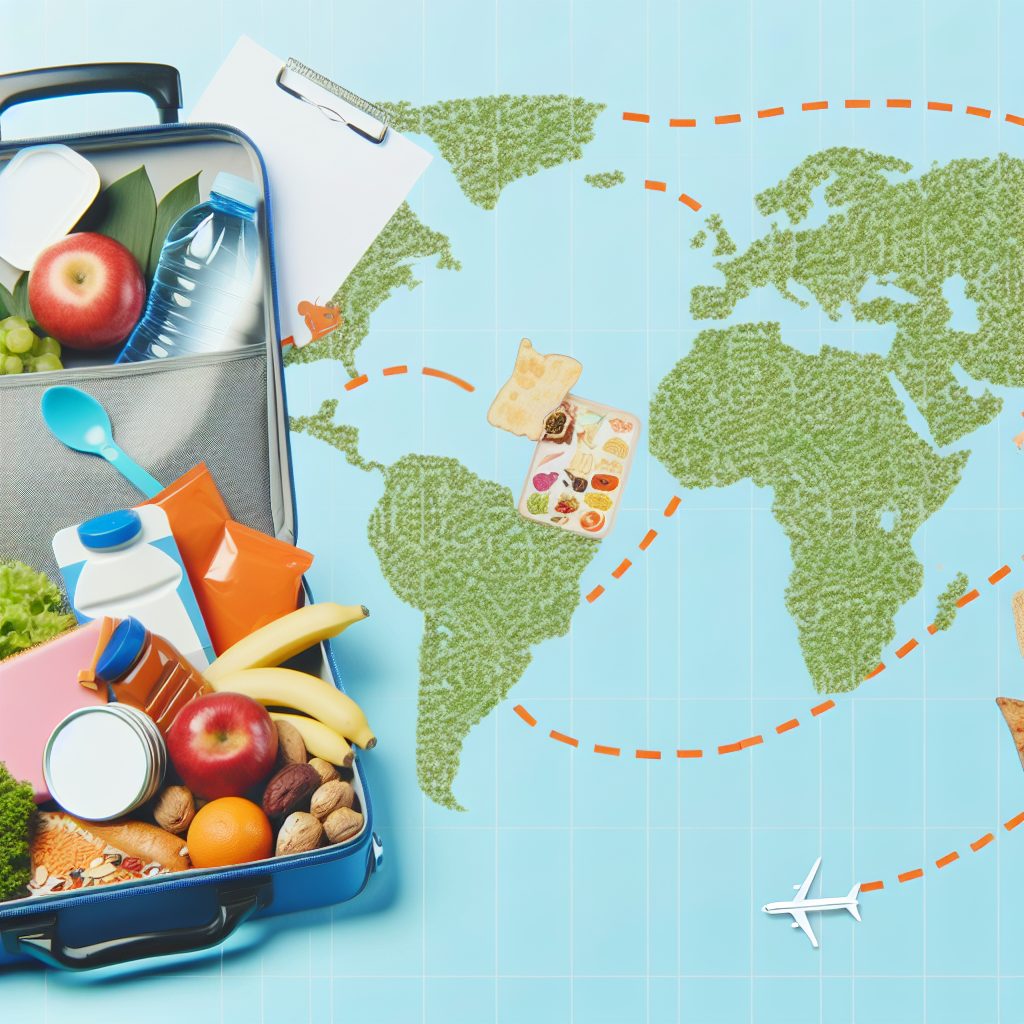
Pick items that survive a bag, need no heating and can be eaten at a desk without a mess.
- Snacks that keep: nuts, seeds, whole fruit such as apples or bananas, and plain popcorn.
- A real lunch option: a sandwich on whole-grain bread with a protein and vegetables, or a grain and bean salad in a sealed container.
- Quick breakfast: instant oats in a jar, to which you add hot water and fruit, or plain yogurt if a fridge is available.
- Hard-boiled eggs or hummus with raw vegetables if the space has a shared fridge.
If your bag setup is still a work in progress, our post on a portable home office kit covers what else is worth carrying, and a reusable container is a good addition.
How do you keep packed food safe?
Food that needs cold storage should not sit in a bag all day. The CDC advises refrigerating perishable food within two hours, so eggs, dairy, cooked meat and cut fruit belong in a fridge or an insulated bag with a cold pack (CDC food safety basics). If you have no fridge, choose shelf-stable foods instead.
How do you eat well when you have to buy lunch?
Use a simple order of priorities rather than counting anything.
- Look for a protein and at least one vegetable on the plate.
- Choose grilled, baked or steamed over deep-fried when there is a choice.
- Ask for sauces and dressings on the side so you control how much goes on.
- Check a nearby grocery store before defaulting to a restaurant; a rotisserie chicken, a bag of salad and some fruit is often cheaper and lighter.
Buying groceries rather than eating out every day also helps the budget. Our simple budgeting guide shows how food fits into running costs when you work away from home.
How much water should you drink at a desk?
There is no single number that suits everyone, but plain water is the best default. The CDC notes that water is a healthy choice that can replace sugary drinks, which is an easy swap to make with a refillable bottle on your desk (CDC on water and healthy drinks). Refill it each time you start a new task or return from a call, and you will build the habit without thinking about it.
How do you handle the afternoon slump and snack temptation?
- Eat a proper lunch, with protein, so the afternoon is not driven by hunger.
- Keep the snack you planned within reach and leave the shared biscuit tin alone when you can.
- Take a ten-minute walk or stretch away from the screen before reaching for a snack.
- When you do want a treat, pick one you enjoy and eat it slowly. Occasional treats are fine.
Where does movement fit in?
Eating and sitting go together on remote workdays. Walking to lunch, taking stairs, and using a standing break on calls all add up. If you are packing for a longer trip, the packing checklist can help you plan for light exercise gear. For general targets, the CDC adult guidelines recommend at least 150 minutes of moderate activity a week; if you have a health condition, ask your doctor what is right for you.
A simple weekly routine
- Sunday evening: decide lunches for the first three days and shop for them.
- Each morning: fill the water bottle and pack one snack and one meal.
- Midweek: restock fruit and check what is left in the shared fridge.
- Friday: eat out if you like, with no rules.
If you also travel for work, a few compact tools make this easier. The travel gadgets collection at Mavigadget has some ideas worth browsing.
People with allergies, diabetes or other medical conditions should follow the advice of their doctor or a registered dietitian rather than general tips like these.
Frequently asked questions
What are good snacks to carry to a coworking space?
How long can packed food sit out?
What should I drink during the workday?
How can I order a healthier lunch?
Sources and further reading
- WHO healthy diet fact sheet who.int
- CDC food safety basics cdc.gov
- CDC on water and healthy drinks cdc.gov

