Eating Well on Work Trips: Snacks, Meals and Water for Remote Workers
Practical food habits for remote workers who travel: snacks that pack well, easy restaurant choices, water safety and fitting real meals around your workday.
In this article
Coworkism earns from purchases made through the MaviGadget links in this post.
The easiest way to eat well on a work trip is to decide the basics before you leave: carry a few snacks that keep, pick one sit-down meal a day on purpose, and keep water within reach at your desk. Perfect eating is not the goal. A steady routine that protects your energy for the working day is.
Why does food matter more when you work on the road?
Remote workers and freelancers who travel still have deadlines and calls. Skipped meals, airport snacks and late dinners tend to show up as an afternoon slump just when you need to focus. Planning food the way you plan your Wi-Fi and your charger keeps the working day predictable.
This is general lifestyle advice. If you have a medical condition, food allergy or special diet, ask your doctor or a registered dietitian what suits you before you travel.
What snacks travel well?
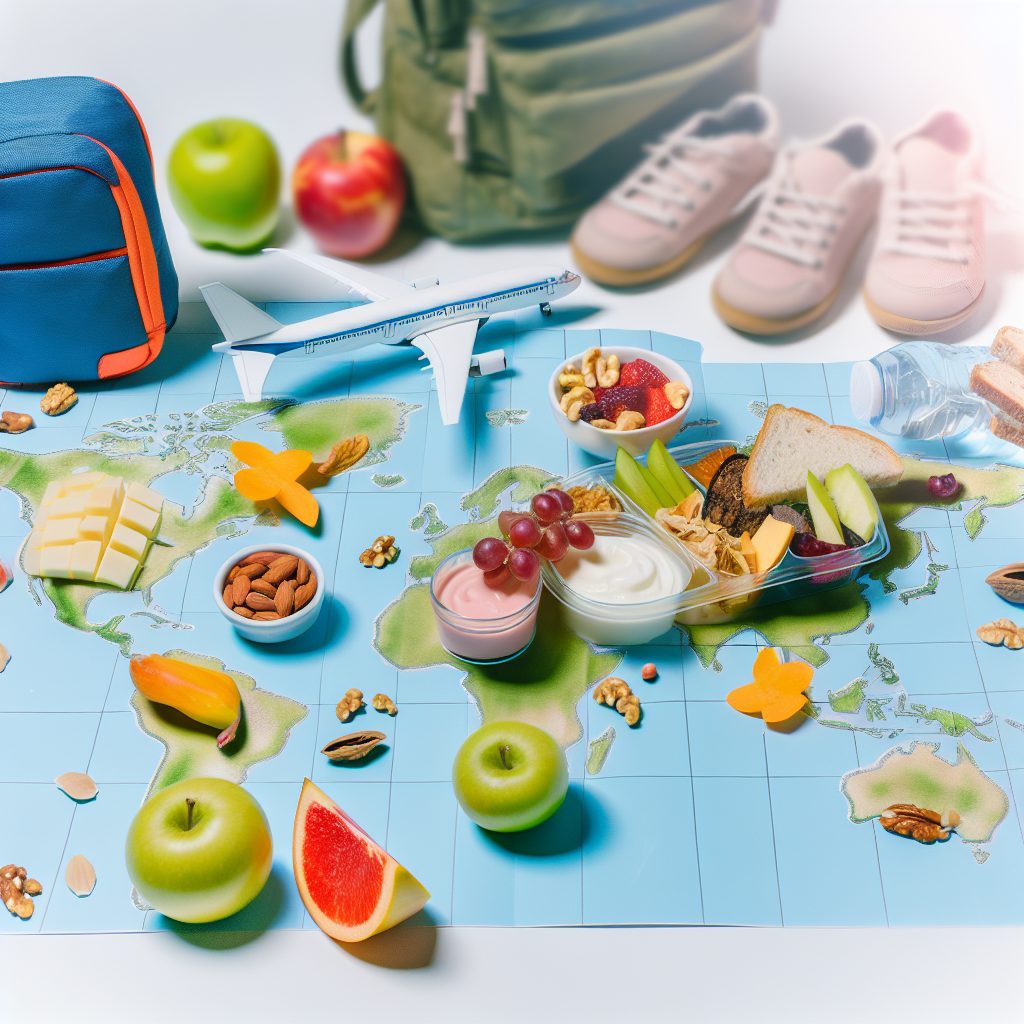
Choose snacks that survive a bag, need no fridge and are easy to eat at a laptop without making a mess:
- Unsalted nuts and seeds for something filling.
- Whole-grain crackers with a single-serve nut butter or cheese.
- Whole fruit such as apples, oranges or bananas.
- Dried fruit without added sugar, in small portions.
- Raw vegetable sticks for the first day, before they wilt.
- Bars if you read the label and pick one that is not mostly sugar.
Check airline and border rules on fresh food before you pack it, because they vary by country.
How do you order sensibly at restaurants?
You do not need to avoid local food. A few habits are enough:
- Glance at the menu online first, so you are not choosing while hungry.
- Build the plate around a protein and a vegetable, and treat fried dishes as an occasional pick.
- Ask for sauces and dressings on the side if you want to control them.
- Share a starter or dessert when portions are large.
- Stop when you are full, even if the plate is not empty.
What should you drink?
Water is the simple default. The CDC lists water as a healthier choice than sugary drinks, and it costs less than most café drinks. Carry a refillable bottle and top it up whenever you pass a safe tap.
Safe tap water is not a given everywhere. The CDC's travel pages explain how to choose safer food and water abroad, including when to stick to bottled or treated water. Check the guidance for your destination before you go, and see a travel clinic or doctor if you have health concerns.
How do you keep working hours and meals from colliding?
Treat meals as calendar items. A short block at midday keeps you from eating at the keyboard, and it makes you step away from the screen. If you work from a coworking space, find out whether it has a kitchen or a fridge, and where the nearest grocery store is. Our guide to a portable home office kit covers the gear side, and the packing checklist is a good place to add a small food pouch and a water bottle.
A simple day on a work trip
- Morning: a proper breakfast, or at least fruit and nuts from your bag.
- Midday: a sit-down meal away from your laptop.
- Afternoon: a planned snack, and water refills.
- Evening: dinner somewhere local, without rushing it.
Is it fine to indulge a little?
Yes. Trying a local dish is one of the good parts of travelling. Pick the treats you actually want, enjoy them slowly, and go back to your usual routine at the next meal. One rich dinner does not undo anything.
Does moving around help too?
Long days at a laptop make movement worth building in. Walk to your coworking space or lunch spot when it is safe and practical, take the stairs, and stretch between calls. For more on keeping your connection steady while you do this, read our remote worker's Wi-Fi guide.
Any useful gear?
A small insulated bag, a reusable bottle and a few containers go a long way. For other travel-friendly items, browse the travel gadgets on Mavigadget.
Keep the plan small. Snacks in the bag, water by the desk and one real meal a day will cover most work trips.
Frequently asked questions
What snacks are easy to carry on a work trip?
Is tap water safe to drink when travelling?
How do I avoid eating at my laptop?
What if I have allergies or a medical diet?
Sources and further reading
- water as a healthier choice than sugary drinks cdc.gov
- how to choose safer food and water abroad wwwnc.cdc.gov

