How to Brand a Coworking Space So the Right Members Join
A coworking brand is the reason a freelancer picks your space over the one down the road. Here is how small operators can build one, step by step.
In this article
- What is a coworking brand, really?
- Who is your space for?
- How do I choose a name and check it is safe to use?
- What should the brand voice sound like?
- What does the visual identity need?
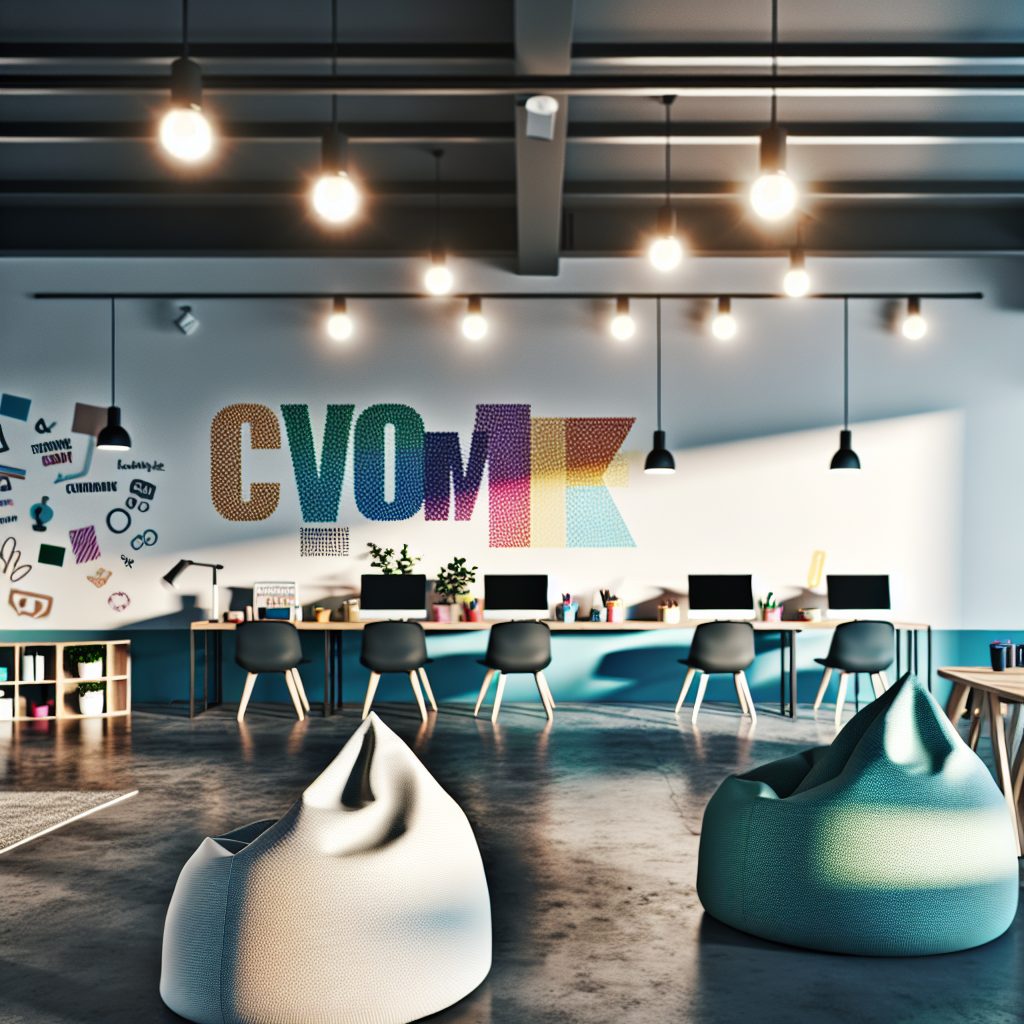
- How does the room itself express the brand?
- How do events and community build the brand?
- How do I show the brand online?
- How do I know the branding is working?
- What are common mistakes?
Coworkism earns from purchases made through the MaviGadget links in this post.
A coworking brand is the promise your space makes about who it is for and how it feels to work there. Start by choosing one kind of member, then let your name, voice, look, room and events all say the same thing. Consistency matters more than budget.
What is a coworking brand, really?
It is not just a logo. It is what a visitor expects before the tour and what a member tells a friend afterwards. Two spaces can rent the same desks at similar prices, and one still fills faster because people understand what it is for.
A clear brand helps you in practical ways: tours go to people who fit, members stay for the community, and your marketing gets simpler because you know whom you are talking to.
Who is your space for?
Be specific. "Everyone who works" is not a niche. Think about:
- Who: freelance writers, early-stage startups, remote employees tired of their kitchen table, or a mix?
- What they need: quiet focus rooms, phone booths, meeting space, late hours, parking?
- What they dislike: noise, hot-desk chaos, hard sales, or feeling anonymous?
The best research is cheap. Talk to ten people who fit your target and write down their words. Those phrases make better copy than anything you invent.
How do I choose a name and check it is safe to use?
Choose a name that is easy to say and spell, and fits the member you picked. Before printing signs, search for the same or similar names. The USPTO explains trademark basics, including why searching existing marks matters before you commit to a name. Also check local business registers and whether a matching domain and social handle are free. For a final decision, ask a lawyer.
What should the brand voice sound like?
Pick three words and write them down, for example "calm, direct, welcoming". Then test every message against them: the website, the welcome email, the sign by the kitchen, the reply to a tour request.
A quick voice test
- Would a member say this sentence out loud?
- Does it say something specific, such as opening hours or what is included?
- Is it the same tone you use on the phone?
What does the visual identity need?
Keep it small and repeatable.
- Logo: simple enough to read on a door sticker and a phone screen. A freelance designer can handle this affordably.
- Colors: two main colors and a neutral. Choose them because they suit your members and room, not because a chart says a color means trust.
- Fonts: one for headings, one for text.
- Photos: real pictures of your own space and members, with their permission. Real shots beat stock images.
If you publish a website, make the text readable. The WCAG 2.2 quick reference sets out contrast and other accessibility requirements, which also helps every visitor reading on a phone in daylight.
How does the room itself express the brand?
Members experience the brand through the space more than through your site. Signage, lighting, noise levels, the coffee, and how quickly the Wi-Fi works are all part of it. If you promise "quiet focus" but have an open kitchen beside the desks, members will notice.
Staff matter too. Whoever greets visitors should know the three voice words and the member profile. A greeting that matches your website builds trust fast.
How do events and community build the brand?
Events prove your brand is real. A monthly breakfast for freelancers or a small skills workshop tells people what you stand for. Our piece on hosting workshops in a coworking space covers the practical side, and the photography studio alternative article shows how a niche use of the space can attract a particular group.
Members who meet each other stay longer. Introduce people, keep a simple member board, and let members host sessions on what they know. For more ideas about how people connect, see how meetups build community.
How do I show the brand online?
- Say who the space is for in the first line of the homepage.
- Show real photos, opening hours, what each plan includes and how to book a tour.
- Keep your business listing, social profiles and website details identical.
- Share member stories only with permission.
How do I know the branding is working?
You do not need complex analytics. Keep a short tracker for the numbers you already have:
- Tour requests, and how people heard of you
- Share of tours that become members
- Renewals and how long members stay
- Referrals from current members
- The words members use to describe the space
If members describe you the way you intended, the brand is landing. If they use other words, listen: they may be showing you a better positioning than yours.
What are common mistakes?
- Spending on design before choosing the audience.
- Changing colors, tone or name every few months.
- Promising things the space does not offer, like silence or fast Wi-Fi.
- Using stock photos of spaces that are not yours.
Start with one clear member, one voice and one consistent look, and improve from there. If you want small gadgets for your shared areas, you can browse Mavigadget.
Frequently asked questions
Where should a coworking brand start?
Do I need a professional designer?
How do I check that my space name is available?
How do events help the brand?
How do I know if the brand is working?
Sources and further reading
- trademark basics uspto.gov
- WCAG 2.2 quick reference w3.org

