Personal Branding for Freelancers and Remote Workers
Freelancers and remote workers have no office door to put a name on. Here is how to build a clear, trustworthy online presence that brings in the right clients.
In this article
Coworkism earns from purchases made through the MaviGadget links in this post.
A personal brand is the clear, consistent impression people get of what you do, who you do it for and whether they can trust you. For freelancers and remote workers, who have no office or shopfront, it is built from a handful of simple things: a focused niche, a home base website, a few well-chosen profiles and proof of your work.
Why does a remote worker need a personal brand?
When you work from a home office or a coworking desk, clients cannot walk in and see you. They find you through search, a referral or a profile, and they decide quickly. A clear brand answers their first questions before they ask: what do you do, is it for people like me, and is this person reliable?
It also helps with the work you do not want. A sharp description of your service makes it easier for the wrong clients to rule themselves out.
Where do I start?
Pick a niche and a reader
Write one sentence: "I help [type of client] with [specific problem]." A bookkeeper for small design studios is easier to remember than "a finance person". You can widen later, but a narrow start is easier to explain and easier to recommend.
Choose a home base
A simple website is your home base. It does not need to be elaborate. Include:
- A headline saying what you do in plain words.
- A short list of services.
- Two or three examples of real work, with what the problem was and what you did.
- Testimonials, only from clients who agreed to be quoted.
- An obvious way to contact you.
Make sure it reads well on a phone, since many people will first open it there.
Which platforms are worth the time?
Go where your clients already are rather than everywhere. LinkedIn suits most business services. A visual field such as photography or interior design may do better on Instagram. Pick one or two, fill in the profile completely, and use the same photo, name and one-line description everywhere so people recognise you.
If your work involves shooting or showing products, a shared studio can help. Our piece on using a coworking space instead of a photography studio covers that option.
What should I share, and how often?
Share things that help your target client: a short write-up of how you solved a problem, a checklist, an answer to a question you hear often. Google's own guidance says content should be created to help people, not to chase search rankings, and that is a good test for each post (Google Search Central on helpful content).
Choose a rhythm you can keep. One useful post a month, kept up for a year, beats a burst of ten and then silence.
How does search fit in?
Most people will check your name or your service in a search engine. Use the words clients use in your page titles, headings and descriptions, and give each page a clear purpose. Google's SEO starter guide explains the basics, such as descriptive titles and readable page structure, and none of it needs special tools.
Can coworking help my brand?
Yes, in a practical way. Other members become referrals, and a space with a meeting room lets you host clients or small sessions. If you teach or present, see how coworking spaces work for hosting workshops. Being seen doing good work in person often leads to the introductions that online profiles cannot.
What makes a brand look unreliable?
- Going quiet: a blog or feed that stopped months ago.
- Vagueness: trying to appeal to everyone.
- Mismatched details: different names, photos or prices across profiles.
- Slow replies: an enquiry left unanswered for days.
That last point depends on your setup. A stable connection and a tidy workspace matter, so see our guide to reliable internet for remote workers, and for working away from your desk, the portable home office kit.
How do I tell whether it is working?
Keep it simple and track a few things each month:
- Visits to your website and which pages people read.
- Enquiries received, and how many became paid work.
- Where new clients say they found you.
- Feedback and testimonials, and what clients say they valued.
If enquiries are coming from the wrong kind of client, adjust your headline and examples. A brand is something you refine as you learn, not something you finish.
What gear helps?
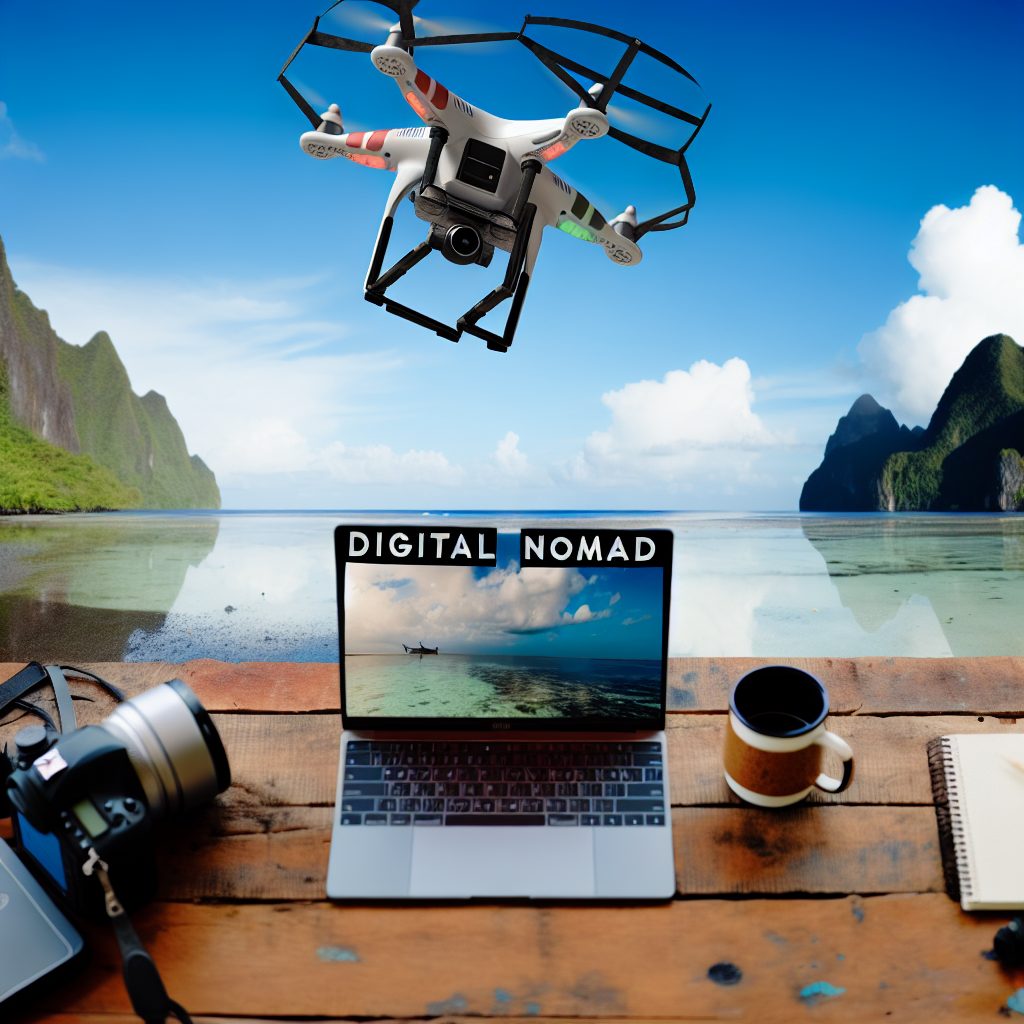
A reliable laptop setup, good audio for calls and a clean background all shape how clients see you. If you are updating your kit, the Digital Nomad Essentials collection from Mavigadget has portable tech and gear for working remotely.
The short version
Choose one niche, build one simple website, use one or two platforms, share useful work at a pace you can keep, and measure the results. Clients choose people they can understand quickly and trust, and a plain, consistent presence does that better than a clever one.
Frequently asked questions
What is a personal brand for a freelancer?
Do I need a website, or are social profiles enough?
How many platforms should I use?
How do I know my brand is working?
Sources and further reading
- Google Search Central on helpful content developers.google.com
- SEO starter guide developers.google.com

