How to Get More Daylight Into a Temporary Work Setup
A short-term workspace rarely gets ideal lighting. These practical steps help you use daylight, control glare and fill the gaps with a good lamp.
In this article
Coworkism earns from purchases made through the MaviGadget links in this post.
The simplest way to brighten a temporary workspace is to put your desk beside a window, with your screen at a right angle to it, and then remove whatever blocks the light. Sheer window coverings, light surfaces and a tidy desk all help. A well-placed lamp covers the hours and days when daylight falls short.
Where should you put your desk?
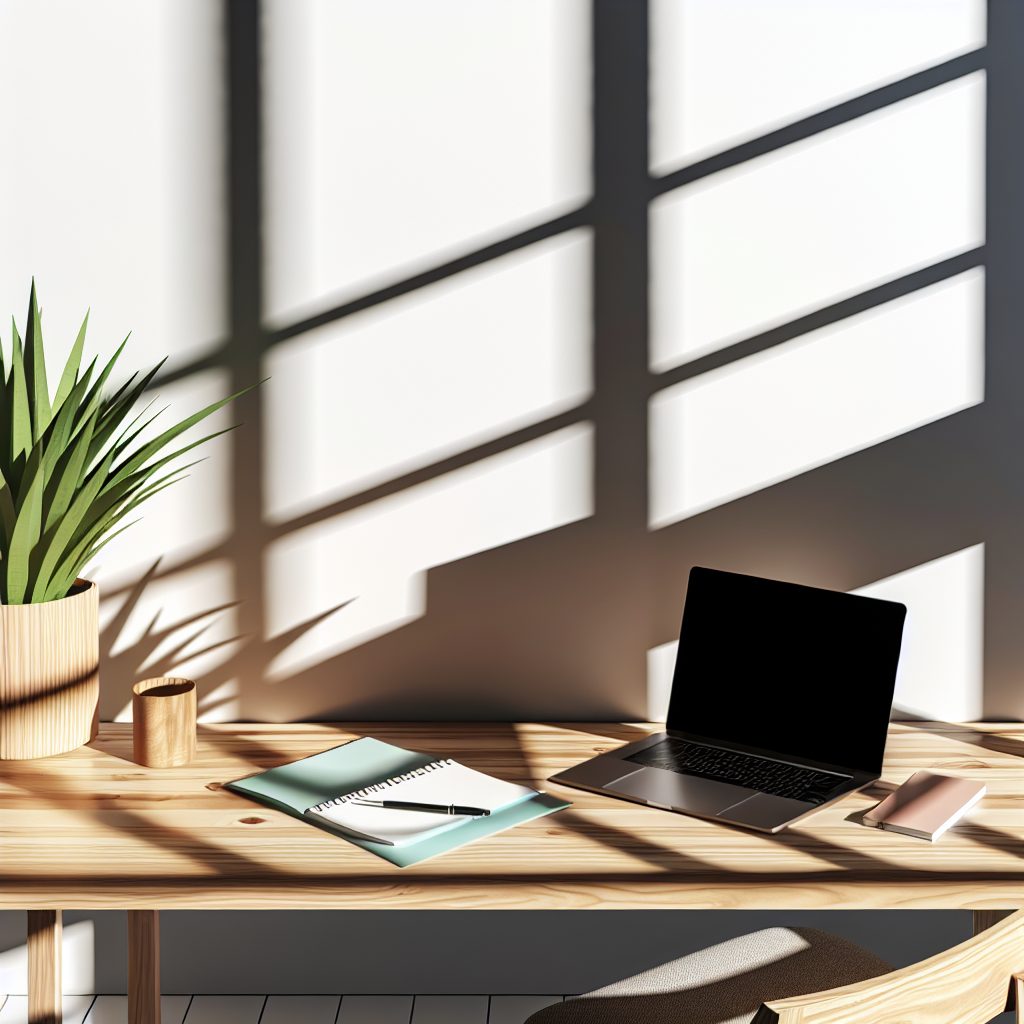
The instinct is to sit facing the window. In practice, a bright window in your eyeline makes the screen harder to read, and a window behind you can reflect on the monitor. OSHA's computer workstation guidance on the work environment suggests turning the workstation so bright light from windows meets the screen at right angles. Put simply, sit with the window to your side.
Try two or three positions across a day. Light changes from morning to afternoon, and the best seat at 9am may be the worst at 3pm.
How do you stop glare without losing the light?
- Tilt the monitor slightly down so it does not mirror lights above you.
- Clean the screen and the window. Dust and smears scatter light.
- Use sheer curtains or adjustable blinds. They soften direct sun and still let daylight in. Close them partly only at the worst hour.
- Position any desk lamp so its light falls on your work, not on the screen.
Heavy drapes and dark blinds do the opposite of what you want. If privacy matters, choose blinds you can angle.
Can walls, mirrors and furniture help?
Yes, within limits. Light surfaces reflect more of the available light than dark ones, so a white or pale wall behind the desk makes a small room feel brighter. In a rented space you often cannot repaint, so look at what you can change: a pale desk mat, a light chair cover, a white or pale shelf.
A mirror on a wall that catches window light can send some of it further into the room. Check from your seat that it does not throw a bright spot onto your screen. It is a small boost, not a fix.
Does clutter really matter?
A little. Tall stacks of boxes or files beside a window block the light before it reaches your desk. Move storage to the darker side of the room and keep the window side clear. It also makes a temporary space feel less temporary.
What if there is no window, or it is dark outside?
Plan for the lamp from the start. A few points:
- Use a desk lamp with an adjustable arm, so you can aim it at your papers or keyboard.
- Choose a neutral or cool-white bulb for daytime work and a warmer one for evenings, if the lamp allows it.
- Add a second, softer light so the screen is not the brightest thing in a dark room.
- Keep light off the screen surface itself.
If your room has no window at all, take your breaks somewhere that does. The National Heart, Lung, and Blood Institute includes getting sunlight during the day among its healthy sleep habits, so a short walk outside is worth more than another lamp. If you have ongoing eye strain, headaches or trouble sleeping, ask a doctor or an eye care professional.
What about plants?
Plants make a room feel more pleasant, but they do not add meaningful light, and they take some of it. Pick low-light types if you want greenery, and keep them out of your desk's light path.
How does this fit a coworking or shared space?
If you rent a desk by the day or month, ask for a seat near a window and side-on to it when you book. Operators often have a choice of desks. When you compare spaces, daylight is worth a look on the tour, alongside noise and seating; our post on coworking spaces for hosting workshops shows how much the room itself matters.
If you carry your setup between places, a compact lamp and a small stand fit in a bag. Our guide to a portable home office kit covers more of what to pack, and the reliable internet guide covers another thing worth checking before you commit to a desk.
What is a quick checklist?
- Desk close to a window, screen at a right angle to it.
- Window and screen clean.
- Sheer or adjustable coverings instead of heavy ones.
- Tidy storage kept away from the window side.
- A lamp aimed at your work, not at your screen.
- Breaks outdoors or by a window.
For desk accessories that suit a short-term setup, you can browse Mavigadget. Good light is mostly about placement, though, and that costs nothing.