Greener Coworking Space Design: Materials, Lighting and Habits
Where a coworking operator should start on sustainability: lighting, durable materials, supplier checks, waste habits and simple ways to track results.
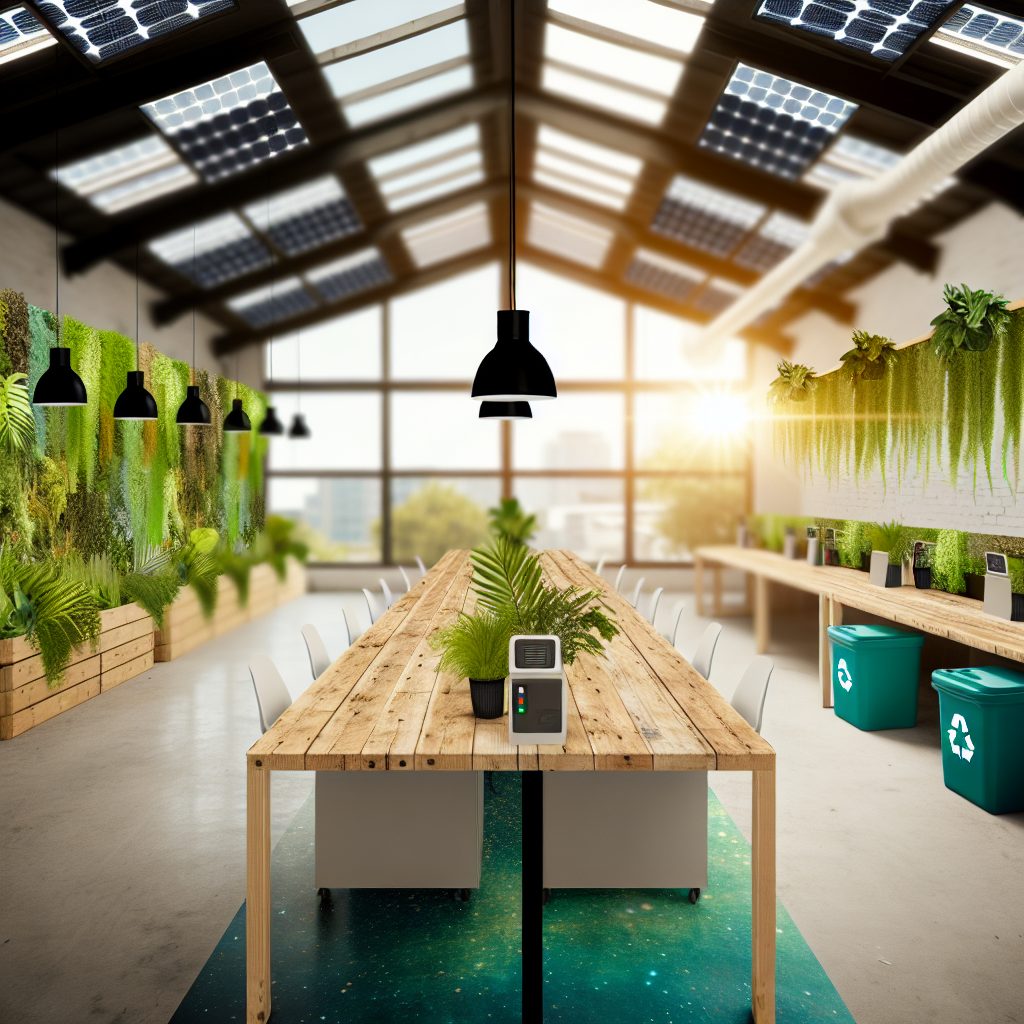
In this article
Coworkism earns from purchases made through the MaviGadget links in this post.
A coworking space becomes greener through a few choices in order: cut energy use first, pick durable and certified materials second, and keep measuring afterward. Good lighting, long-lasting furniture and a simple waste routine usually matter more than any single trendy material.
Where should an operator start with a greener coworking space?
Start with what the space uses every day: electricity, water and consumables. Materials get the attention, but a floor you install once matters less than lights that run twelve hours a day. A rough order that works for most small operators:
- Lighting and heating or cooling habits
- Furniture you can keep for years and repair
- Flooring and surfaces, when something needs replacing anyway
- Waste, recycling and kitchen supplies
- Tracking all of it over time
Replacing perfectly good furniture just to make it "eco" is itself wasteful. Where you can, refinish, repair or rearrange first.
How can lighting and layout cut energy use?
Put desks where daylight reaches them and keep walls and ceilings light in colour so the light travels further. Swap old bulbs for LEDs, which use far less electricity than incandescent ones and need replacing much less often, and add motion sensors in meeting rooms, phone booths and corridors that sit empty for long stretches.
Daylight also makes a room pleasant, which is a selling point when members choose where to work. If you are also thinking about how members use rooms for events, our piece on hosting workshops in coworking spaces shows how flexible rooms earn their keep.
Which materials are worth considering?
| Material | Where it fits | Watch out for |
|---|---|---|
| Reclaimed wood | Desks, shelves, feature walls | Check it is dry, sound and finished with low-odour sealant |
| Bamboo | Flooring, desktops, panels | Quality varies; ask about adhesives and where it was grown |
| Cork | Floors, pinboards, acoustic panels | Seal it in areas that get wet |
| Linoleum | Busy corridors and kitchens | Made from natural ingredients such as linseed oil; do not confuse it with vinyl |
| Recycled-content carpet tiles | Open work areas | Tiles let you replace only the worn patches |
Cork and soft surfaces also help with noise, which is a common complaint in shared spaces.
How do you check that a supplier's green claims are real?
Ask for proof rather than accepting words like "eco" or "natural". For timber and paper products, the Forest Stewardship Council runs a certification scheme showing wood comes from responsibly managed forests. For whole buildings and fit-outs, the LEED rating system is a common benchmark that you can ask your landlord about. Also ask where an item is made, how it can be repaired and what happens to it at end of life. Buying locally can cut transport, but it is not automatically greener, so ask for details.
What about plants, water and waste?
Plants make a space feel calmer and more welcoming, though do not promise members cleaner air from them. Choose hardy varieties and assign someone to water them.
For water, low-flow taps are a simple retrofit. For waste, clearly labelled recycling stations, refillable water and reusable kitchen items remove a lot of single-use waste for little cost.
How do you measure progress?
Read your electricity and water bills monthly and note the figures in a simple sheet. Count how many bags of waste leave each week. Once a year, walk the space and list what still wastes energy or materials. Share the results with members and ask for ideas; people tend to follow habits they helped choose.
If members work from home part of the week, you may want to help them too: our guide to a portable home office kit covers equipment that travels well. For energy-conscious gear, you can browse the Mavigadget collection of sustainable living gadgets.
Frequently asked questions
Is a sustainable coworking space more expensive to run?
Some items cost more upfront, but efficient lighting and durable furniture can lower running and replacement costs over time. Start with the changes that reduce your bills.
What is the easiest first change?
Switch to LED lighting and add motion sensors in rooms that are often empty.
Do I need a certification to call my space sustainable?
No, but certifications such as LEED for buildings or FSC for wood products give members evidence behind your claims.
Frequently asked questions
Is a sustainable coworking space more expensive to run?
What is the easiest first change?
Do I need a certification to call my space sustainable?
Sources and further reading
- Forest Stewardship Council fsc.org
- LEED rating system usgbc.org

