Coworking Spaces for Creatives: What to Look For Before You Join
How creative professionals can judge a coworking space on its rules, bookable rooms, storage and quiet zones before choosing a plan.

In this article
- What do creative professionals need from a coworking space?
- How do you tell whether a space is really built for creatives?
- Is a quiet room or a lively community better for creativity?
- Can a coworking space help you run workshops or client sessions?
- What should a freelancer budget and negotiate?
- How do you keep the space from distracting you?
- What if you also need a setup at home?
- Quick checklist before you join
A coworking space suits creative work when it gives you the right kind of room, not just attractive décor. Writers need quiet, designers need good screens and wall space, photographers and makers need floor area and storage. Match the space to the way you actually make things, then check the details below before you pay.
What do creative professionals need from a coworking space?
A general-purpose open-plan floor works for email and calls. Creative work is often messier, louder or more equipment-heavy, so the needs are more specific:
- Writers and editors: quiet zones, a rule against calls in the main room, and comfortable seating for long sessions.
- Designers and illustrators: desk depth for a large monitor or drawing tablet, good daylight, and a place to pin work up.
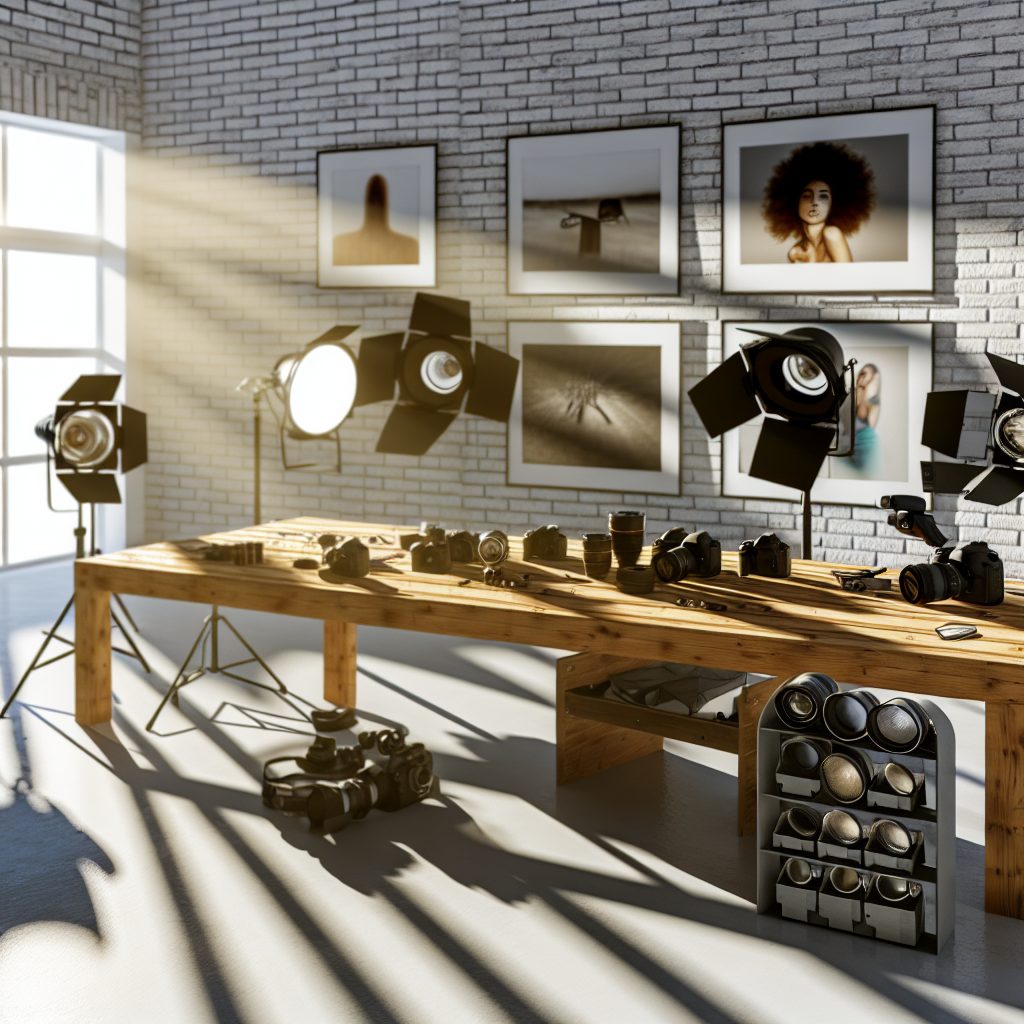
- Photographers and video makers: a bookable room for shoots, storage for kit, and power for lights. Our piece on using a coworking space as a photography studio alternative goes deeper.
- Makers and craftspeople: rules on dust, paint, glue and noise, which many ordinary spaces ban.
How do you tell whether a space is really built for creatives?
Many spaces use the word "creative" in their marketing. Look for evidence instead:
- Ask what is allowed. Can you spread out materials, use a spray, play audio or leave a work in progress overnight?
- Look at who is already there. If every desk holds a sales team on calls, a painter will be unhappy.
- See the bookable rooms. Check size, natural light, blackout options and the hourly price.
- Ask about storage. Lockers and lockable cupboards matter more than a pretty lounge.
Is a quiet room or a lively community better for creativity?
It depends on the stage of the work. Drafting and detailed production usually need quiet. Early ideas, feedback and finding collaborators benefit from people around you. The practical answer is a space with both: a calm area for deep work and a shared kitchen or event space for conversation. Treat them as separate parts of your day rather than hoping one room does both.
Can a coworking space help you run workshops or client sessions?
Many creatives earn part of their income teaching or presenting to clients. A space with a flexible room, a screen and seating for a small group saves you hiring a venue each time. Ask for the capacity, what is included, and any extra charges. Our guide to hosting workshops in a coworking space lists what to confirm before booking.
What should a freelancer budget and negotiate?
Do not pay for the largest plan on the first day. Start with a day pass or one month, then move to a dedicated desk once you know you will use it. Ask whether bookable rooms are included in your plan or billed separately, because for photographers and workshop hosts that cost can exceed the desk fee. Always read the notice period and any deposit terms.
How do you keep the space from distracting you?
- Choose fixed hours for your most demanding work and protect them.
- Use headphones as a signal, and tell neighbours when you need an uninterrupted block.
- Join one or two events a month rather than every one.
- Keep a stable connection and backup plan for deadlines. See our guide to reliable internet for remote workers.
What if you also need a setup at home?
Most creatives split their week. A compact, well-organised kit makes the switch between home and the space easy. Our portable home office guide covers what to carry.
Quick checklist before you join
- I know what materials and noise levels are allowed.
- I have seen the bookable rooms and the storage.
- There is a quiet zone and a social zone.
- I have tried at least one full day.
- I have read the contract terms.
A space that ticks these boxes will support your work far better than a list of famous names ever could.